BioStack, a Y Combinator-backed startup, announced $9.5 million in seed funding to build a data infrastructure network that connects fragmented patient records across hospitals globally. The funding will support the company’s expansion and development of AI training datasets drawn from over 100 million de-identified patient records spanning the United States, India, Brazil and Argentina.
The problem BioStack is addressing is straightforward. Patient medical histories exist in disconnected systems across different hospitals and providers, making it difficult for researchers, drug developers and AI companies to understand how diseases progress or how treatments affect outcomes. BioStack aggregates this information into comprehensive, longitudinal patient records that can be used to train medical AI models and support drug development.
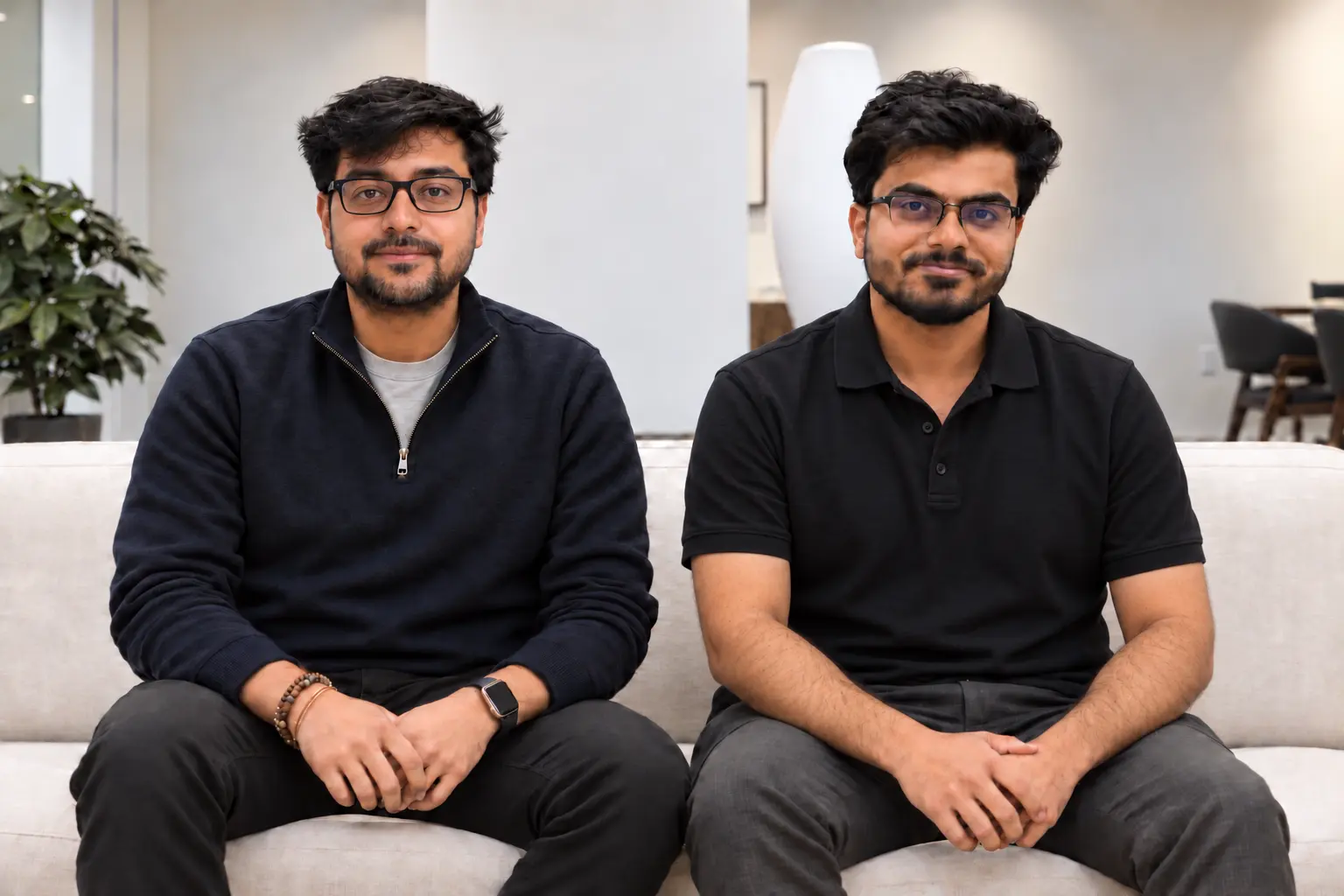
The funding round was led by Peak XV, with participation from Afore Capital, DCVC, Emerson Collective, SV Angel, Verdict Capital, Streamlined Ventures and Y Combinator. The company is run by CEO Sanat Mishra and CTO Parth Patwa.
“Collecting every event linked to each patient enables a view of what happens at each stage of a patient’s journey,” said Mishra. “We’re building the infrastructure that connects all of the clinical information and makes it useful, both for clinicians making decisions today and for the researchers and AI developers building the future of medicine.”
The company’s platform connects clinical notes, lab results, imaging scans, medications, treatments and long-term outcomes. By de-identifying this information, BioStack creates datasets that researchers can use without violating patient privacy. The company works with hospitals to establish custom workflows that comply with each provider’s individual protocols and privacy requirements.
The scale of the dataset is significant. BioStack has already combined hundreds of thousands of X-rays, MRIs and CT scans with pathology and clinical records, creating what the company describes as a powerful resource for training AI systems to help clinicians evaluate treatment options and predict patient outcomes.
The startup’s global footprint gives it access to diverse patient populations and healthcare environments. In India, for example, BioStack is connecting cancer patients with an investigational cancer vaccine program, allowing biotech companies to develop treatments while potentially offering eligible patients access to personalized experimental therapies.
Pushpak Kedia, vice president at Peak XV, said the work addresses a fundamental limitation in medical AI development. “The next frontier of healthcare AI will depend not only on better models, but on access to high-quality, longitudinal data that reflects how patients are treated over time. Sanat and the BioStack team are building critical infrastructure that connects fragmented clinical information and transforms it into a valuable resource for clinicians, researchers and AI developers. We believe BioStack has the potential to become an important data layer for the next generation of medical AI.”
Medical AI development has faced challenges in recent years partly because high-quality training data is scarce and difficult to access. Most patient data remains siloed within individual health systems, and regulations around patient privacy complicate efforts to share information. BioStack’s approach of working directly with hospitals to de-identify and aggregate data could help accelerate the development of AI tools for diagnosis, treatment planning and drug discovery.
The company plans to use the funding to expand operations across the United States and into additional international markets, hire additional engineering and research staff, and continue developing its technology platform.